


How do I maintain the brakes of an LPG forklift?
Jun 03, 2025
Leave a message
As a supplier of LPG forklifts, I understand the critical role that well - maintained brakes play in the safe and efficient operation of these machines. In this blog, I'll share some essential tips on how to maintain the brakes of an LPG forklift.
Regular Inspection
One of the most fundamental aspects of brake maintenance is regular inspection. This should be done at least once a month, or more frequently if the forklift is used in a high - intensity environment.
-
Visual Inspection: Start by visually examining the brake components. Check the brake lines for any signs of damage, such as cracks, leaks, or corrosion. A damaged brake line can lead to a loss of hydraulic pressure, which will severely compromise the braking performance. For instance, if you notice a small leak in the brake line, it could gradually worsen over time and eventually cause a complete brake failure.
-
Brake Pads and Shoes: Inspect the brake pads and shoes for wear. The thickness of the brake pads is a crucial indicator of their remaining life. If the brake pads are worn beyond the recommended thickness, they should be replaced immediately. For our 1.5 Ton LPG Forklift, the standard brake pad thickness should be monitored closely according to the manufacturer's specifications.
-
Brake Fluid Level: Check the brake fluid level in the reservoir. Low brake fluid can be a sign of a leak in the system or excessive wear of the brake pads. If the fluid level is low, top it up with the recommended brake fluid. However, if you find yourself having to top up the fluid frequently, it's a clear indication that there's a problem that needs to be addressed.
Cleaning and Lubrication
Cleaning and lubrication are also important steps in brake maintenance.
-
Cleaning the Brakes: Dirt, dust, and debris can accumulate on the brake components over time, which can affect their performance. Use a clean, dry cloth to wipe down the brake calipers, rotors, and drums. Avoid using solvents that could damage the rubber seals in the brake system. For our 3 Ton LPG Forklift, a clean brake system is essential for smooth and reliable operation.
-
Lubrication: Some brake components, such as the caliper slides, need to be lubricated regularly. Use a high - quality brake lubricant that is compatible with the brake system. Lubricating the caliper slides ensures that the calipers move freely, which is necessary for even brake pad wear and proper braking performance.
Adjustment
Proper adjustment of the brakes is crucial for optimal performance.
- Brake Adjustment: Over time, the brakes may require adjustment to maintain the correct clearance between the brake pads and the rotors or drums. This adjustment can usually be done using a simple tool. However, if you're not familiar with the process, it's best to consult the forklift's manual or have a professional mechanic perform the adjustment. For example, in our 7 Ton LPG Forklift, precise brake adjustment is necessary to handle the heavy loads it's designed to carry.
Testing the Brakes
After performing maintenance on the brakes, it's important to test them to ensure they are working properly.
-
Static Test: Before operating the forklift, perform a static test. Apply the brakes and make sure they hold the forklift in place securely. If the forklift moves or slips when the brakes are applied, there's a problem that needs to be addressed.
-
Dynamic Test: Once the static test is successful, take the forklift for a short test drive. Apply the brakes at different speeds and under different load conditions. Pay attention to how the brakes feel. If you notice any sponginess, noise, or uneven braking, it could indicate a problem with the brake system.
Training the Operators
Proper operator training is also an important part of brake maintenance.
-
Safe Braking Practices: Train operators on safe braking practices. Encourage them to avoid sudden and hard braking, as this can cause excessive wear on the brake components. Operators should also be taught to anticipate stops and brake gradually.
-
Reporting Issues: Instruct operators to report any brake - related issues immediately. Early detection of problems can prevent more serious damage to the brake system and ensure the safety of the operators and the workplace.
Replacement of Worn - Out Parts
Despite regular maintenance, some brake components will eventually wear out and need to be replaced.
-
Genuine Parts: When replacing brake parts, always use genuine parts that are specifically designed for your LPG forklift. Using non - genuine parts can compromise the performance and safety of the brake system.
-
Timely Replacement: Don't wait until a brake component fails completely before replacing it. Follow the manufacturer's recommended replacement schedule for brake pads, shoes, rotors, drums, and other components.
Maintenance Records
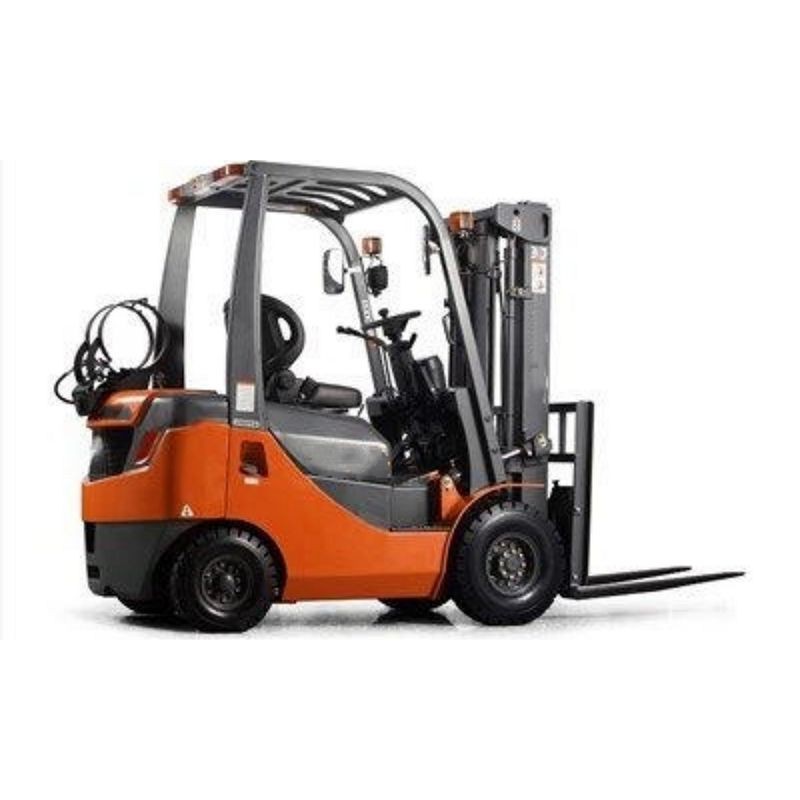
Keeping detailed maintenance records is essential for the long - term performance and safety of the LPG forklift.

-
Documentation: Record all brake maintenance activities, including inspections, cleaning, lubrication, adjustments, and part replacements. This documentation can help you track the history of the brake system and identify any recurring issues.
-
Scheduling: Use the maintenance records to schedule future brake maintenance. By following a regular maintenance schedule, you can prevent unexpected breakdowns and ensure the reliability of the forklift.
In conclusion, maintaining the brakes of an LPG forklift is a multi - faceted process that requires regular inspection, cleaning, lubrication, adjustment, testing, and replacement of worn - out parts. By following these tips, you can ensure the safety and efficiency of your LPG forklift's brake system. If you're in the market for a high - quality LPG forklift, whether it's our 1.5 Ton LPG Forklift, 7 Ton LPG Forklift, or 3 Ton LPG Forklift, we're here to provide you with the best products and support. Contact us for more information and to discuss your procurement needs.
References
- Forklift Manufacturer's Manuals
- Industry Standards for Forklift Brake Maintenance
- Safety Guidelines for Forklift Operation
Send Inquiry